Chinese medicine
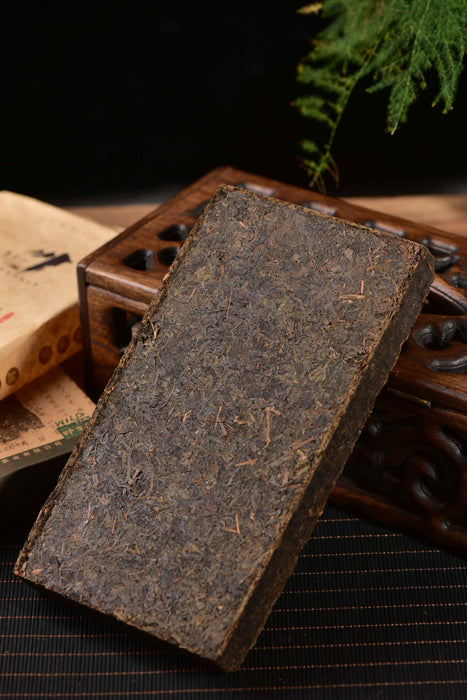
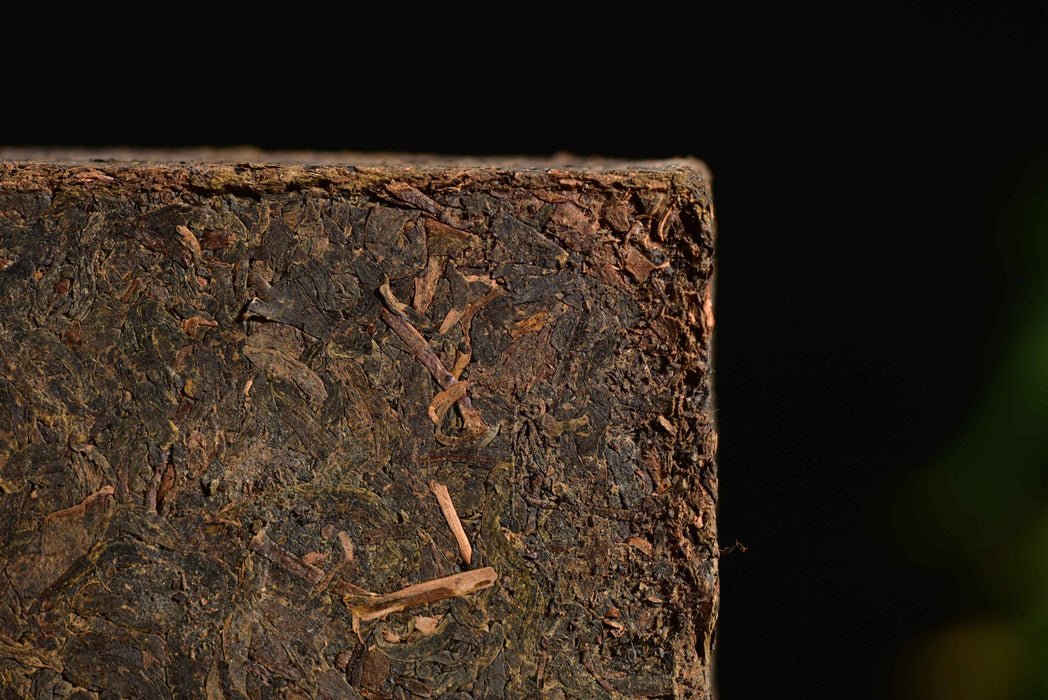
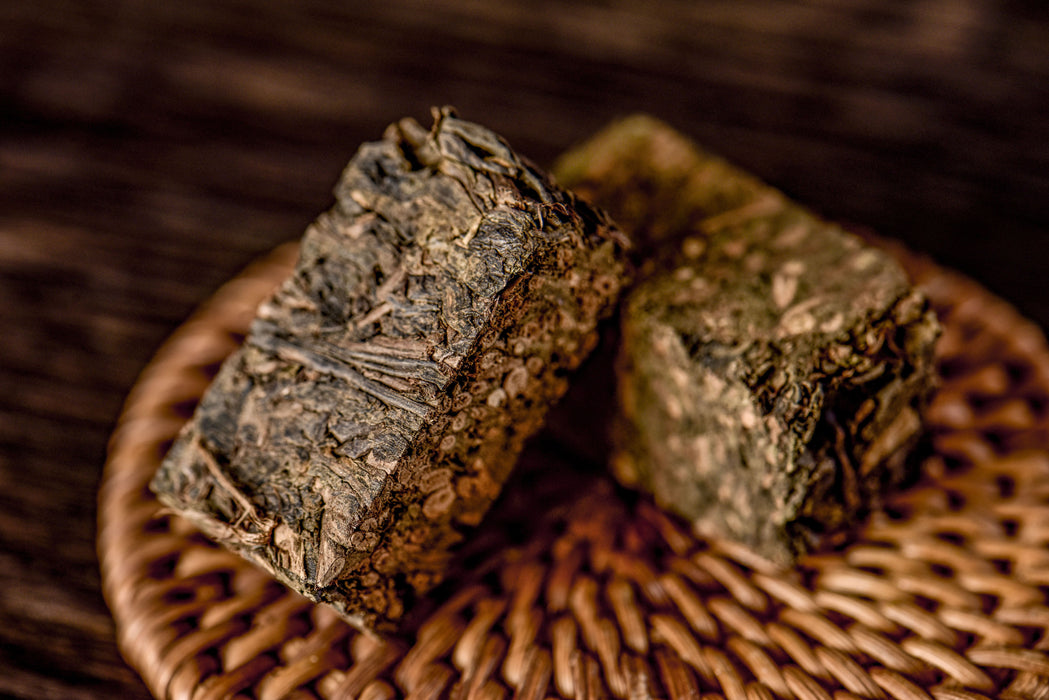
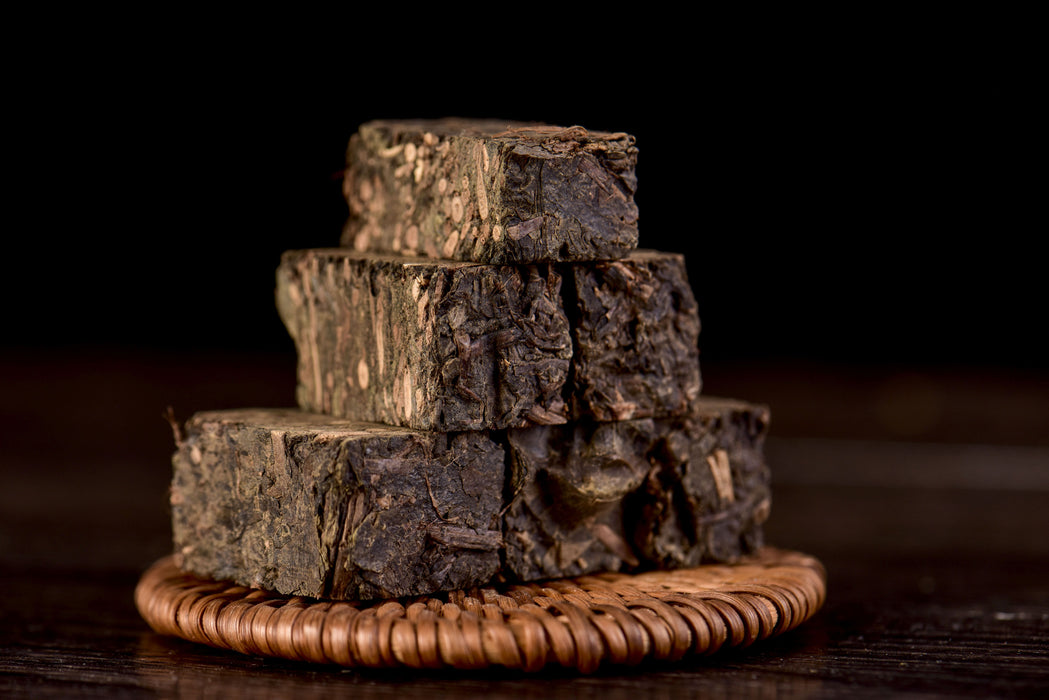
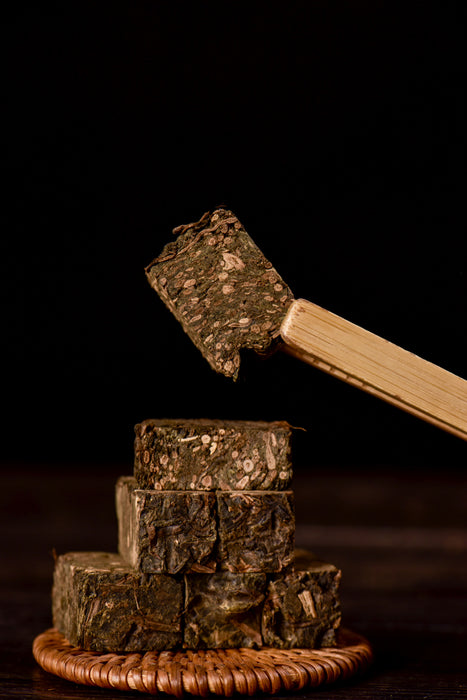
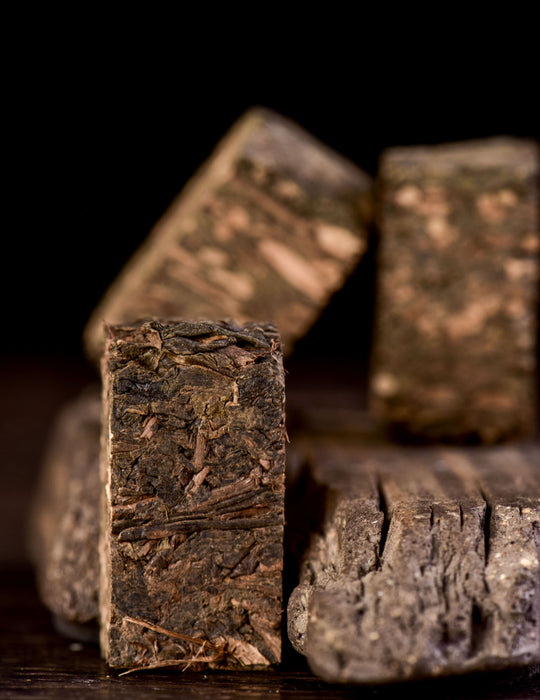
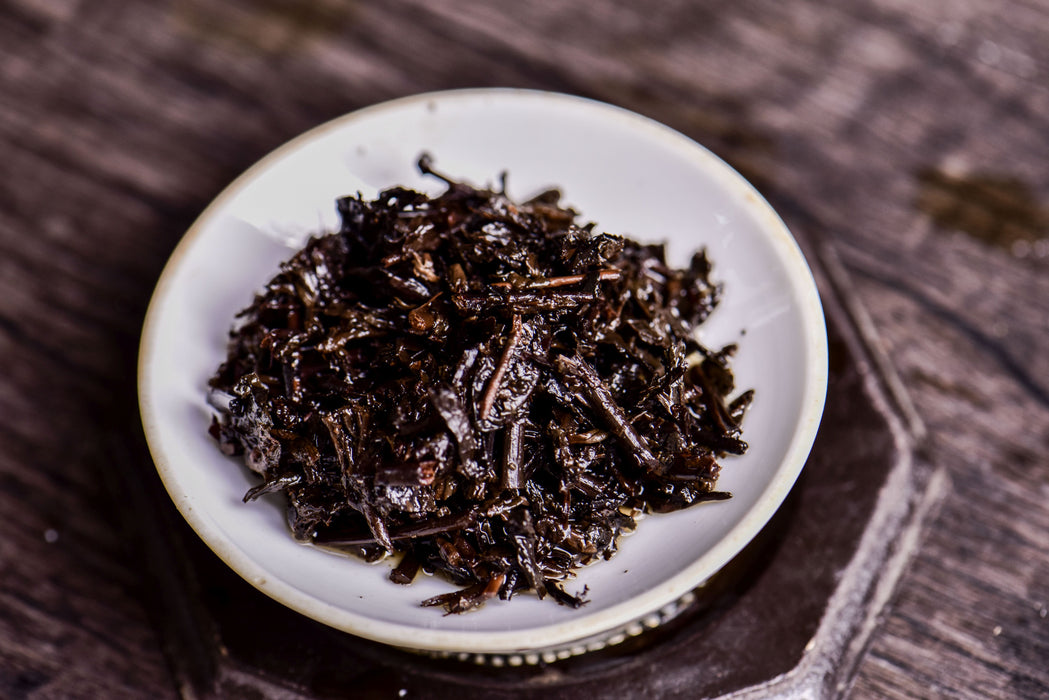
"This tea straight away reminded me of a 2012 cnnp fu that I adored for that typical Chinese medicine smell translated into flavour. A friend of mine had a Chinese Medicine practice years ago and if anyone has walked into one you'll know exactly what I'm on about. You might very well fall in love with it even though you can't quite describe it. Cha qi is both up and sideways (expansive), I experience it as mildly psycho-active, in a very mellow way. Being out in nature to space out on this tea is pretty cool. That herbal note hangs out at the back of your throat and when you breathe it's almost hard to separate the taste from the smell. What's also pretty cool (if you get pieces as opposed to a brick), is to see the block grow and expand like some fat caterpillar. Good luck to those who brave the brick because it is mighty hard. I made a special tea chisel to hammer my way into one of these. You see, when that caterpillar starts growing, it grows not lengthways but SIDEWAYS, showing just how thick the brick must have been before compression."
— DF E. (5/5)
Took a while to figure out-- very interesting afforable tea
"My review of the tea itself won't be long but first I'd like to go on a longer tangent, nerd out a little bit, which can't hurt here, since the reviews for this tea are currently empty. :) So if you're new to tea I would say this is a good entry to understanding some brewing logistics. You may have been introduced to very straight forward gong fu brewing that pays some attention to three core variables: 1) Temperature(generally 100c water), 2) leaf-water ratio, and 3) Steep time. These variables change slightly across most teas, but not by a whole lot. This can create a kind of assumption that all tea is constrained within some standard ranges of these variables. One tea may go closer to 10 , another closer to 25. One tea may like 100c, another may be too delicate, and so on, but nothing seems to deviate too much, soothing too complicated so far, right? Well this tea/type of tea actually challenges your intuitions, because it really loves high heat, and long steep time, and lots of leaf. I was brewing it like raw puer and not getting great results, but then I just took some more effort to make sure it stayed hot, brewed long, and with lots of leaf, and I was rewarded. Keep that in mind if you try this tea. The tea itself: First infusion or two does contain a kind of dank note which I'm not a fan of, but after it gets going, it's got a subtle fruitiness, maltiness, breadiness. The strongest point of the tea itself is the energy-- stimulating in a way that's difficult to miss, but doesn't overwhelm because it is also relaxing at the same time. Some sweetness and viscosity stays in the mouth along with a cooling sensation. When you contrast these effects with the price, this is a great daily drinker. I've not experimented with boiling but that could be another way to coax more sweetness out of this tea."
— Kevin (4/5)