
Skip to content

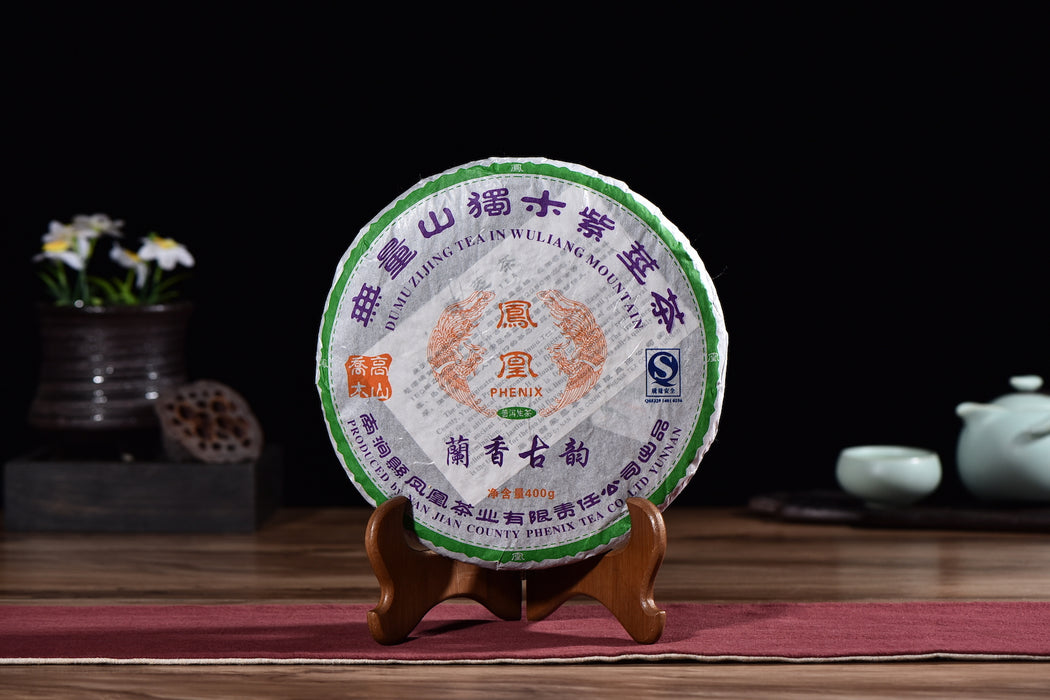
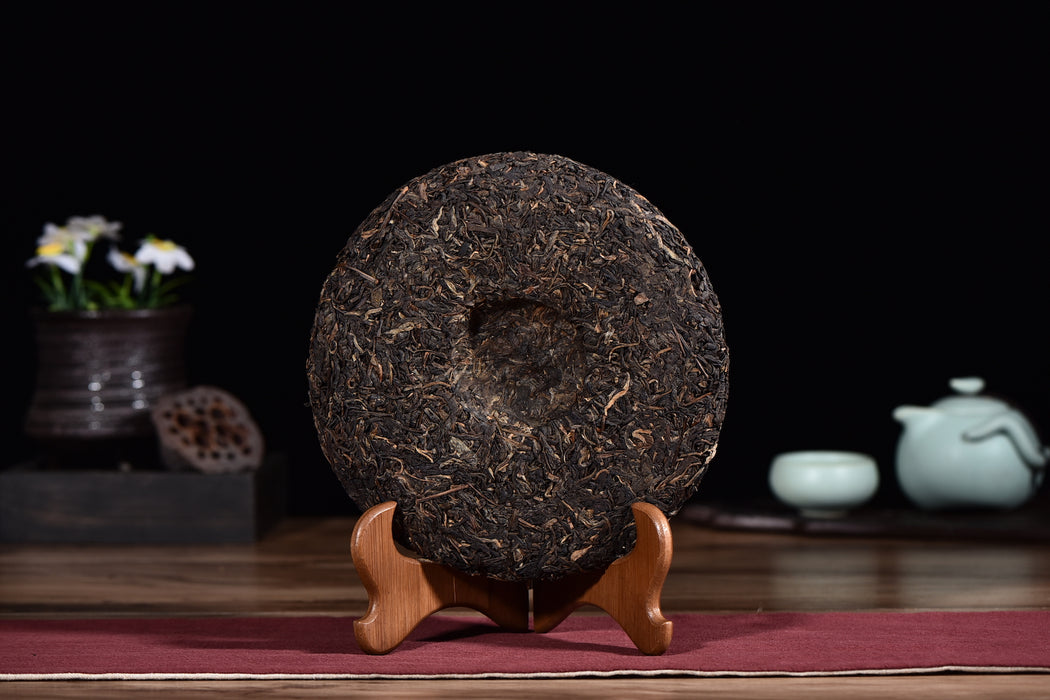
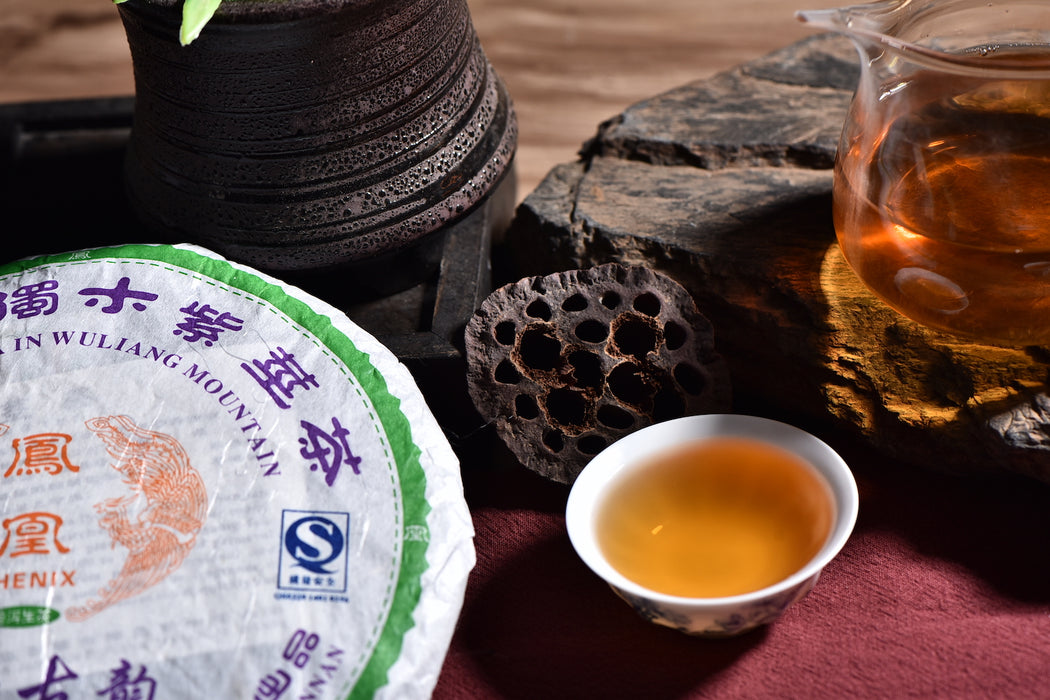
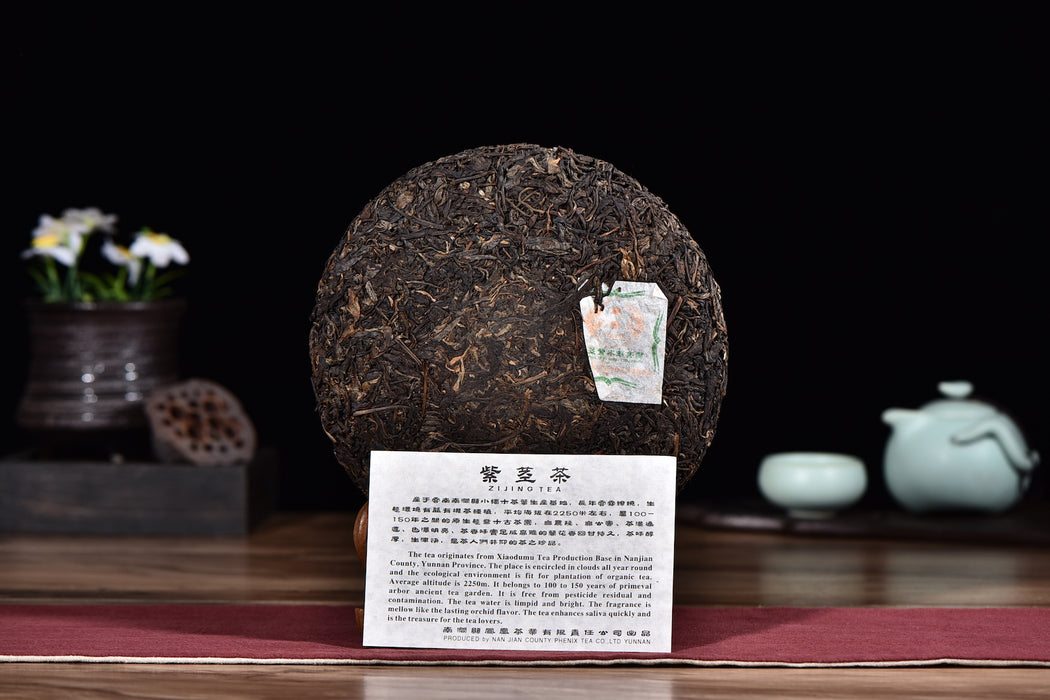
2007 Wu Liang "Lan Xiang Gu Yun" Wild Arbor Purple Raw Pu-erh Tea Cake

Sold out
Original price $11.00 - Original price $117.75
Original price
$11.00
$11.00 - $117.75
Current price $11.00

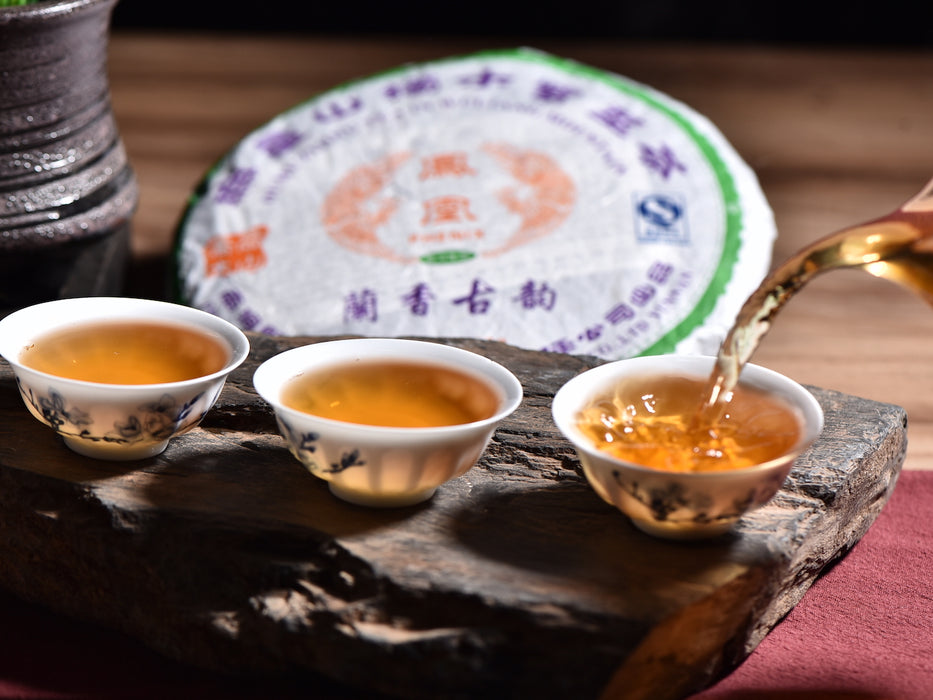
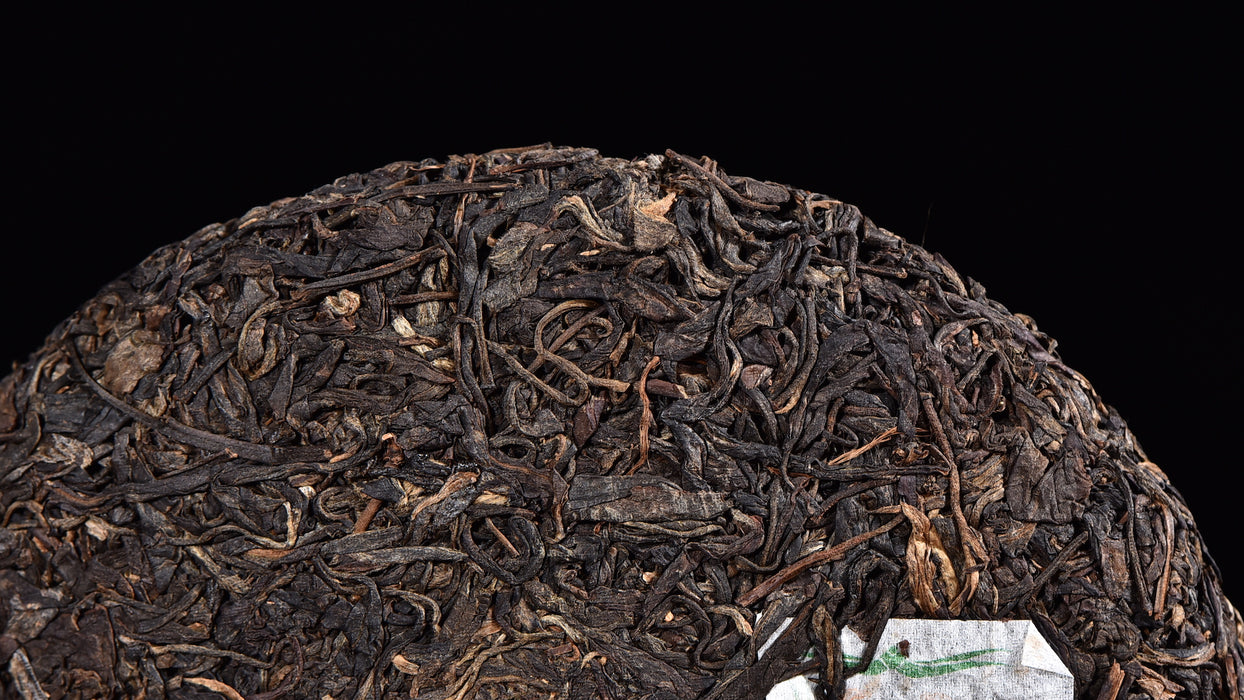
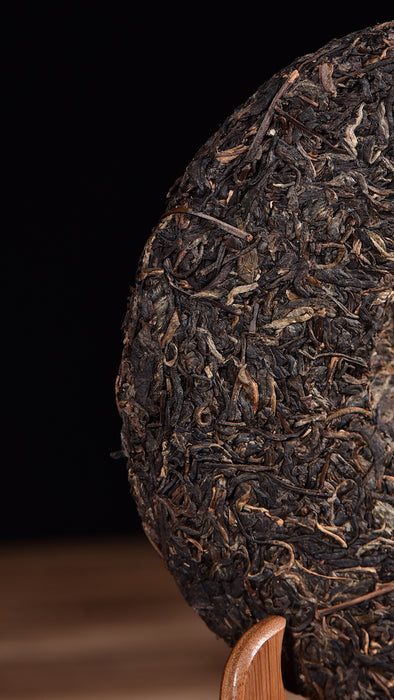
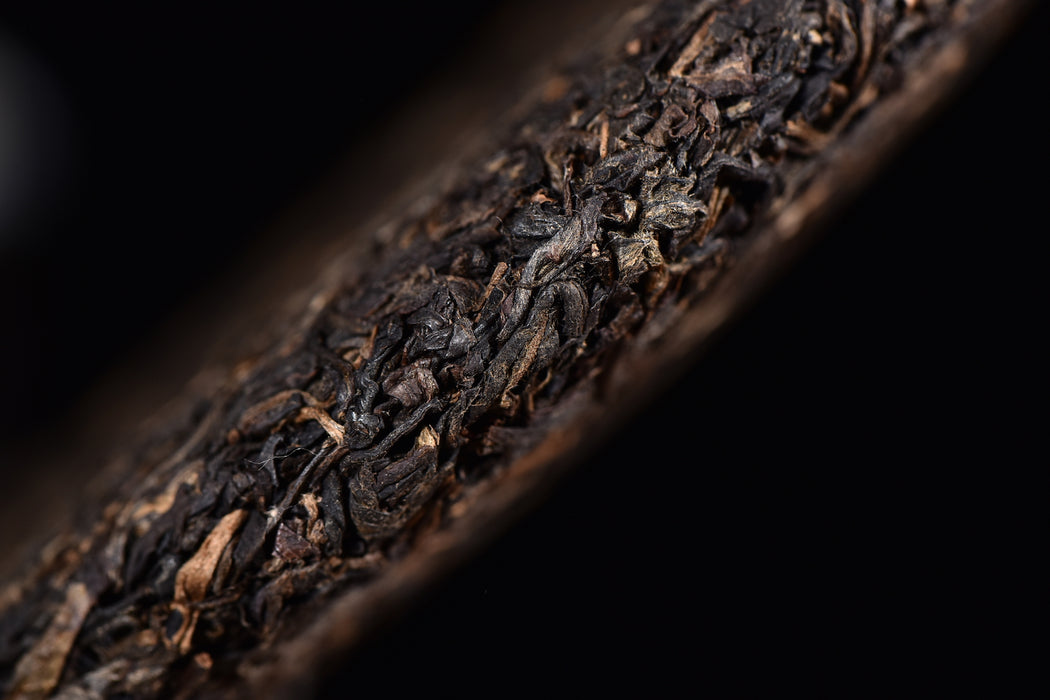
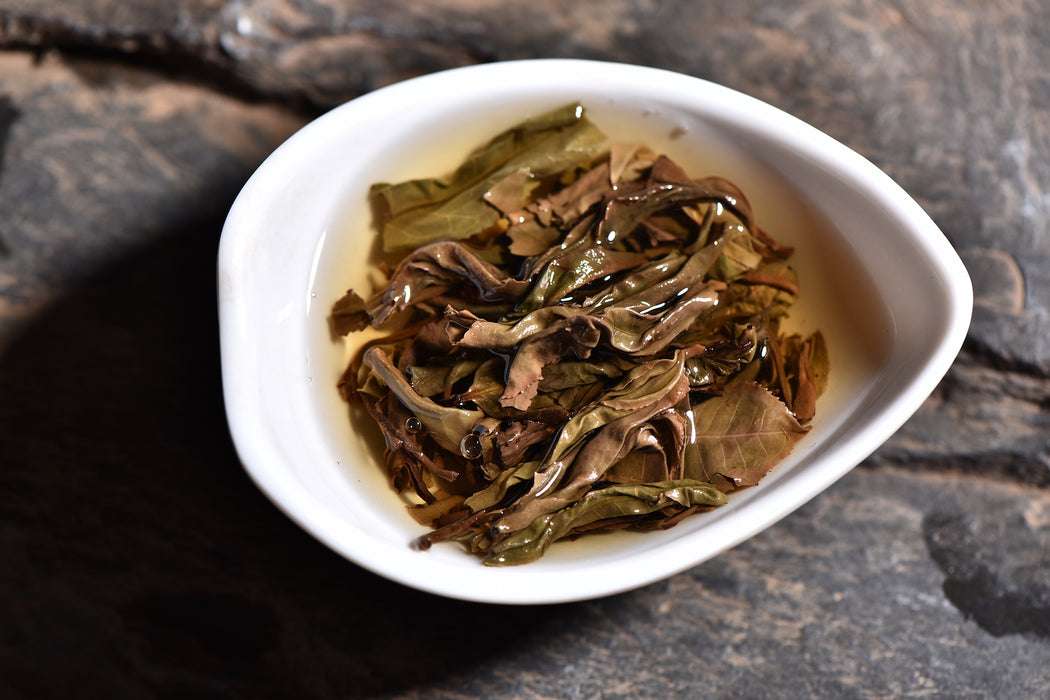
This tea is composed of wild arbor purple tea picked in April 2007 from high altitude (1900 meters) purple assamica varietal (大叶种紫茶) growing in the Wu Liang Mountains.  The tea was aged in Nan Jian county for 8 years and then Kunming.  

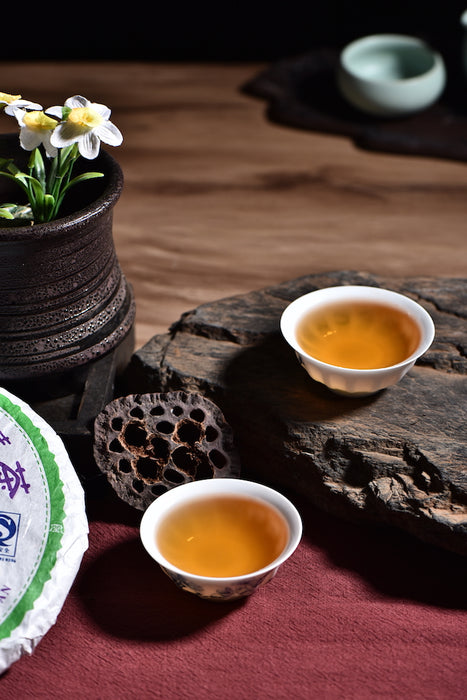
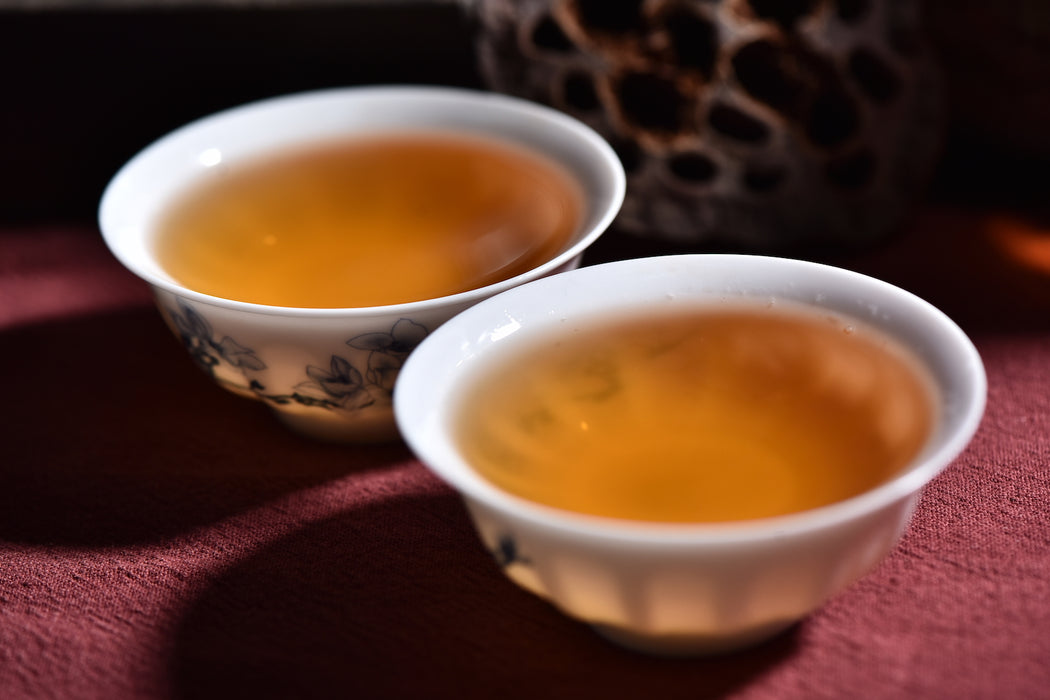
The tea's name "Lan Xiang Gu Yun" means "Orchid Aroma, Ancient Verse".  There is a sweet and floral orchid-like character to the tea, but overall the character of the tea is about it's thick viscous body and pungent fruity sweet taste.

With more than 20 years of Pu-erh drinking under my belt it takes something really unique to make me say "Wow.. I have never had anything like this, and I love it!"  Enough said!

400 grams per cake

Pressed by the Nan Jian Phoenix Tea Factory

For more information on Purple tea read below:

Yunnan pu-erh tea grows in the superior environment of low latitude, high altitude South Asian tropics and achieves many qualities of superior tea. Among pu-erh tea, purplish red bud tea is particularly valued.

During the hot, humid summer and fall seasons a portion of tea tree buds are purplish red colored. The source of the color is anthocyanin, which changes color along with cell sap acidity. High levels of acidity lead to red color, while medium acidity is more purple, and high alkalinity tends toward indigo. Purplish red tea results from an inherited reaction to unfavorable hot and humid summer environmental conditions, providing the tea tree with a mechanism for fighting scorching ultraviolet rays.

Pu-erh tea growing areas tend to be between 1000 and 2000m elevation. According to surveys, higher altitude tea growing areas receive as much as 8 times the ultraviolet light of lower altitude growing areas. During the dry spring tea season, the atmosphere tends to be quite dusty which serves to reflect, scatter, and absorb most ultraviolet light. Entering into the rainy season, atmospheric dust is frequently washed away by rain. These clean, clear atmospheric conditions allow virtually all UV light reach the surface. In order to resist damage from this shortwave radiation, tea leaves produce anthocyanin, which can reflect away a portion of the UV light hitting the leaves. Although a southern Yunnan tea field during the high of the summer is a sea of green, most eye-catching are the specks of purplish-red scattered throughout. Purple bud tea trees occupy approximately 1-2% of all tea trees, and occur with varying intensities of purple.

Purplish red bud tea has throughout history been regarded as a standard for quality tea. Lu Yu in the "Cha Jing" evaluating the color of tea leaves, came to the early conclusion: "bright cliffs and gloomy forests, purple is the highest and green the second". Purple tea features prominent fragrance and rich flavor. A small number of tea trees growing on the rocky slopes of Fujian's Zhengyi mountain, because of their red color, are given the famous name Da Hong Pao. Another historically famous purple tea is Zhejiang province's Guzhu Zisun.

Purple Bud Tea, grown in high mountain ancient tea fields, is hand-picked by growers who select only young tender buds from the purple tea trees. It is solely and painstakingly processed to produce a very small quantity of heavenly tea.

Purple bud tea anthocyanin can be bitter, so it is recommended that those who do not enjoy bitter flavors reduce the strength of their brew so as to enjoy the fine tea flavor.


Overall rating: 4.8461537 / 5 from 13 reviews.

AI Generated Review Summary

Summary topics

Review topics: ["taste","quality","aroma","tea","sweetness","delight","cake"].

Review highlights

Reviews

Very clean and sweet!

"Refreshing honey and a little medicinal and wood flavors, maybe some stone fruit as well. Amazingly clean tasting, and as other have said, it really is sweet. Undoubtedly the sweetest Sheng I’ve had so far. I definitely get a little buzzy in the head. I wouldn’t necessarily call this one a special occasion tea, but it’s certainly a high quality, luxury tea."

James T. (5/5)

Amazing tea- complex, sweet and clean.

"Really amazing tea. I get delicious, complex, exotic aromas- passionfruit, mango, ylang ylang, jasmine, fresh raspberry and even canned peaches. Super clean too- sometimes aged puerhs have a lingering fermentation funk or dirtiness- not here. Instead the fermentation and aging adds a pleasant sweet leather background- or maybe almost a spicy incense smoke. On successive 10 second infusions, I get just a hint of astringency- just enough to frame and balance the sweetness. Highly recommended."

Gates G. (5/5)

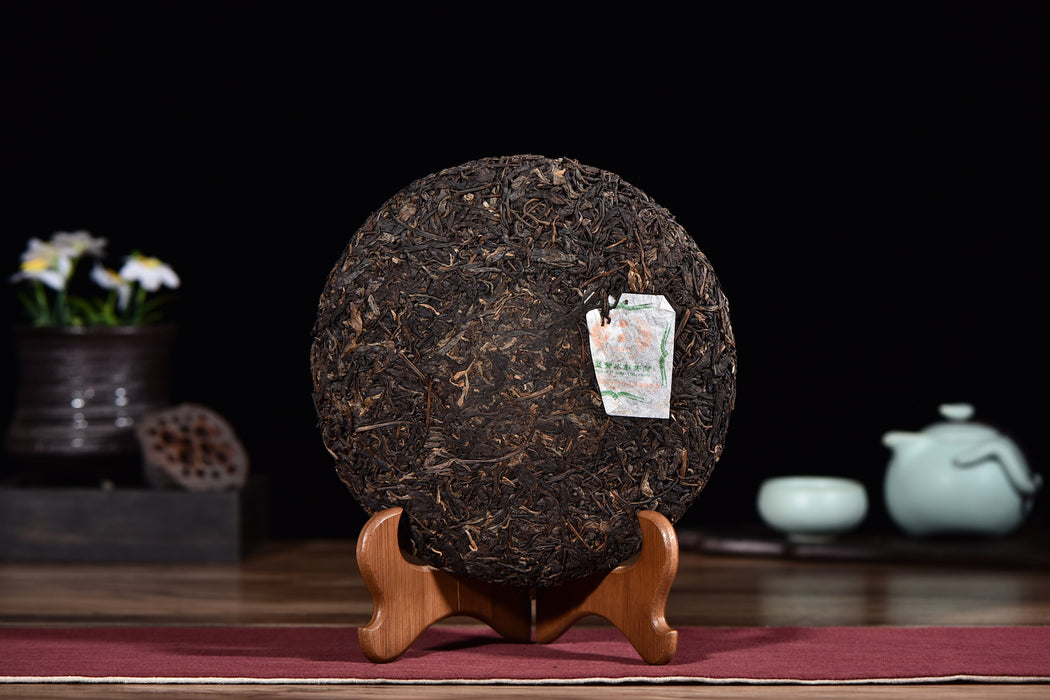
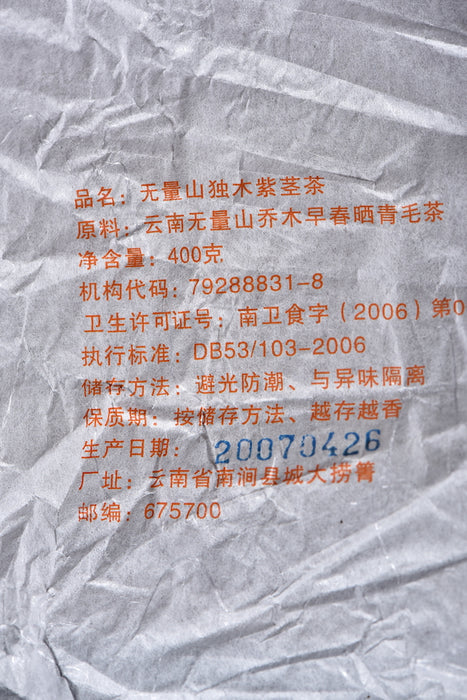
Translated back of wrapper Chinese to English:

"Name: Wumuangshan Unique Purple Stem Tea Raw material Yunnan Wumuangshan Arbor Early Spring Shunqing Mao Tea Net content: 400 grams Organization code: 79288831-8 Hygiene License Number: Nanwei Food Character (2006) No. 0 Executive Standard: DB53/103-2006 Storage method: light, moisture-proof, and odor isolation Shelf life: according to the storage method, the more stored, the more fragrant Production date: \20070426 Factory address: Dayangpu, Nanrun County, Yunnan Province Zip Code: 675700"

Scanman1 (5/5)

Very yummy. One has to

"Very yummy. One has to be cautious with brewing time otherwise it might become very astringent quickly. However, if done right it is a gorgeous tea. Notes of stone fruit, like dried apricot, currant and raisin. Has a sweet brown sugar note underneath."

Maxwell S. (5/5)

Nice lively flavor, light prune

"Nice lively flavor, light prune sweetness and strong tobacco scent. Astringent but bitterness can be controlled by duration of brew. Got many brews out of this and still enjoying my first bunch."

Donald F. (4/5)

orange dreamsicle

"I'm not a sheng fan but this one is phenomenal. Tastes like orange cream. I might actually have to get the whole bing."

fuzz (5/5)

Super sweet, but unusual

"An unusual but comforting tea, this one is. It has a complex aroma, a memorable taste, and a nicely relaxing cha qi. It might actually be the sweetest pu-erh I’ve ever had, it’s up there with aged shou mei and red oolongs in that regard. However, the sweetness is never overpowering or unpleasant. There is a good longevity to the sessions too, in line with the price category. The main notes in the dry leaf aroma are wood, beeswax, and alcohol – and all of those keep appearing throughout the session. After the rinse, many new scents emerge, among them stewed fruits, hot hay, butter tart, earth, apple crisp, perry, and brown sugar. The taste is likewise sweet and fruity with a mineral, tart finish. There are flavours such as grape juice, citrus, carrot, honey, and taro, besides those mentioned beforehand. The sweetness persists for a long time in the aftertaste as well. I also get further notes of pine, tropical fruits, butter, toasted nuts, chia seeds, and elderberry. Liquor has a medium body and a buttery mouthfeel, but even at its peak viscosity, it retains a certain lightness to it. Cha qi is not overly strong, but I do get a warming and relaxing sensation overall."

Tomáš G. (5/5)

Purple tea is diffrent than Green tea

"Taste is unique and obviously high quality, but its diffrent than green raw puerh tea. My friend liked too much, but for me its not tasty as the "Green" raw puerh tea...its diffrent."

AMRO H. (4/5)

Nothing like magic tea

"I can taste the purple in the leaf - very much like grape skin and kiwi. So much so that, several times whiles drinking this cake I momentarily turned into a small boy and forgot about everything that mattered and started playing and thinking about adventures. And I think it had to do with the grape skin flavor, but I also get cabbage-like bok choy soup feel that makes me feel like I am a boy sitting down at a well worn wooden table. I smelled lupine and felt the tall rattling grasses blowing in the ocean air throughout the hills while witnessing purple clouds in a golden sunset. If that wasn't a nice enough vision, for a moment when I took it with my Chinese ginseng I thought I felt the hair was standing up on my neck and upper back and my head pulling upward. I proceeded to complete the workday with ease. I noticed later on that evening while having more cups the paper on the cake has wings, impressive! Personally a good puer is the one I can eat the most of and not lose the interesting flavors and diminish the flavorless effects. So I checked and I do about 18 gram daily pots. In other words I can drink a lot of it and if I can do that, it is good puer. I will probably eat this cake faster than others cakes in my rotation. That's very good, because I need to get enough (more the better!) tea everyday and sheng is absolutely required or I die. On days that I drink Phenix I am getting about 45-50 grams a day of various tea leaf which is a very good day indeed!"

Jason D. (5/5)

Rich flavor

"This tea is very rich in floral, very thick sweet, a touch of bitterness and astringency makes the tea more flavorful. It is well stored, time is incorporated into the tea, giving it richer flavor, It has a long aftertaste, I like it very much!"

Lu C. (5/5)

Q&A

Free Gifts

and BOGO Offers!

Brewing Guide

Helpful Suggestions!

Terms

Shipping, Refunds and More.

EU MRL

Yunnan Sourcing Brand Pu-erh