

Jingmai "Purple Beauty" Black Tea of Simao
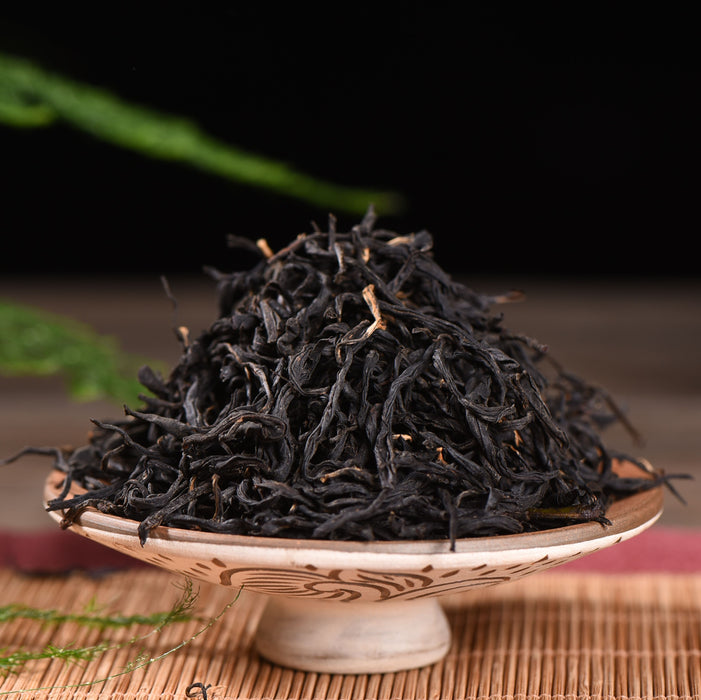
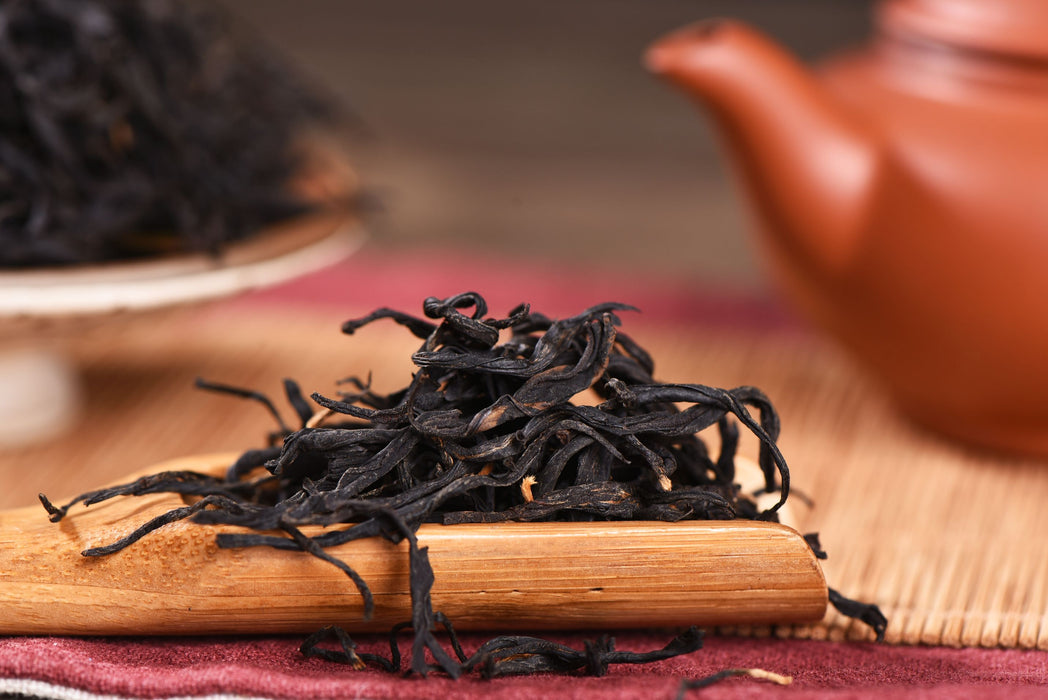
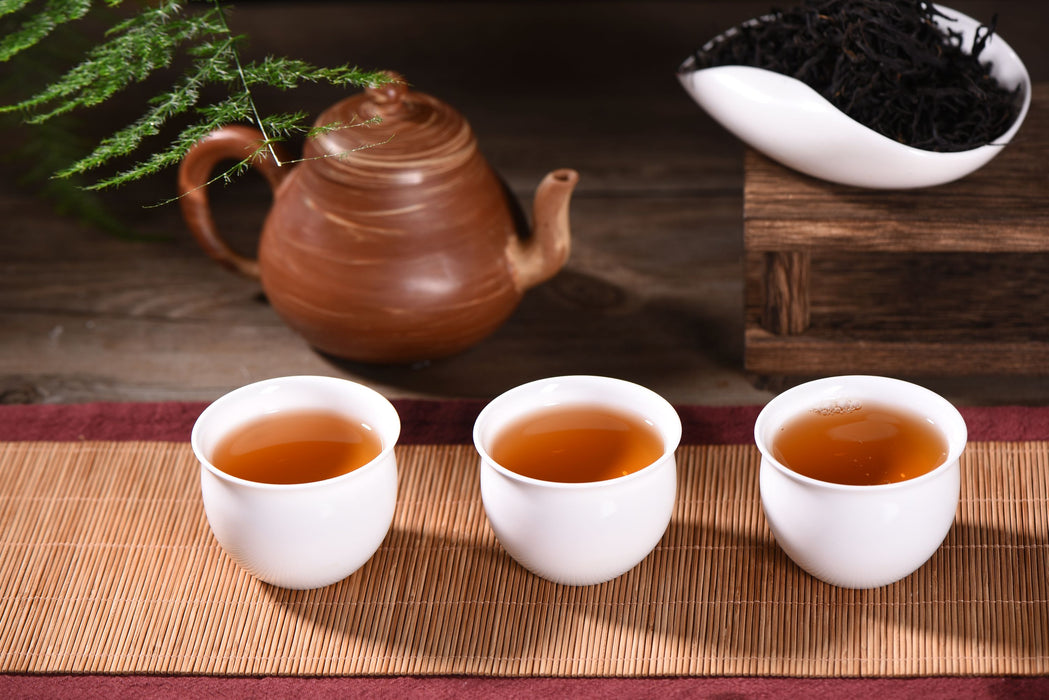
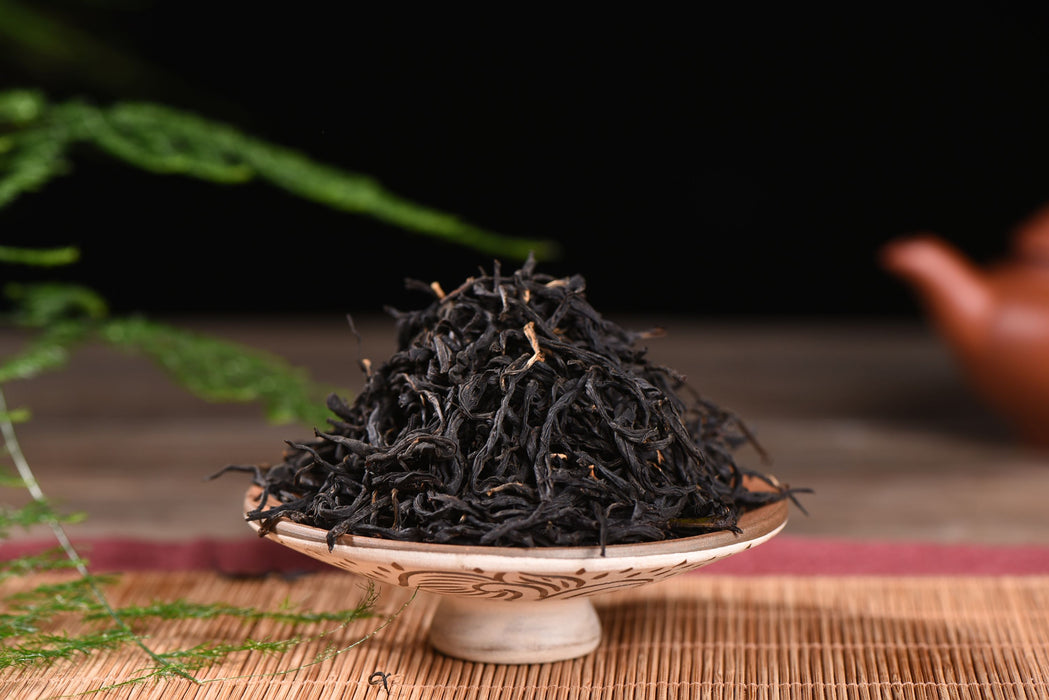
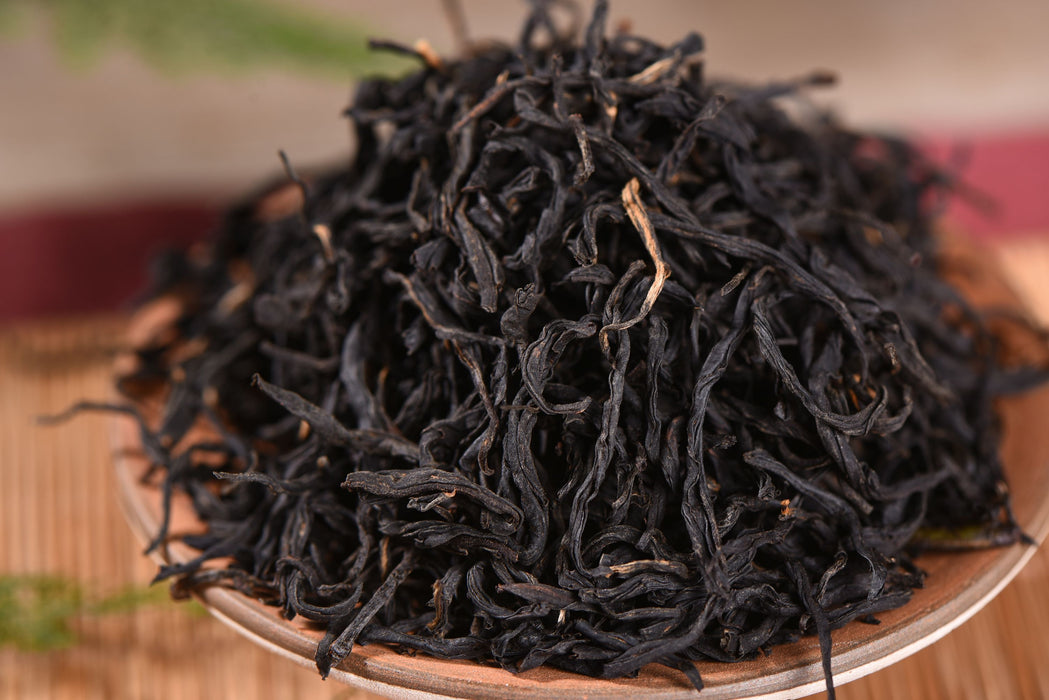
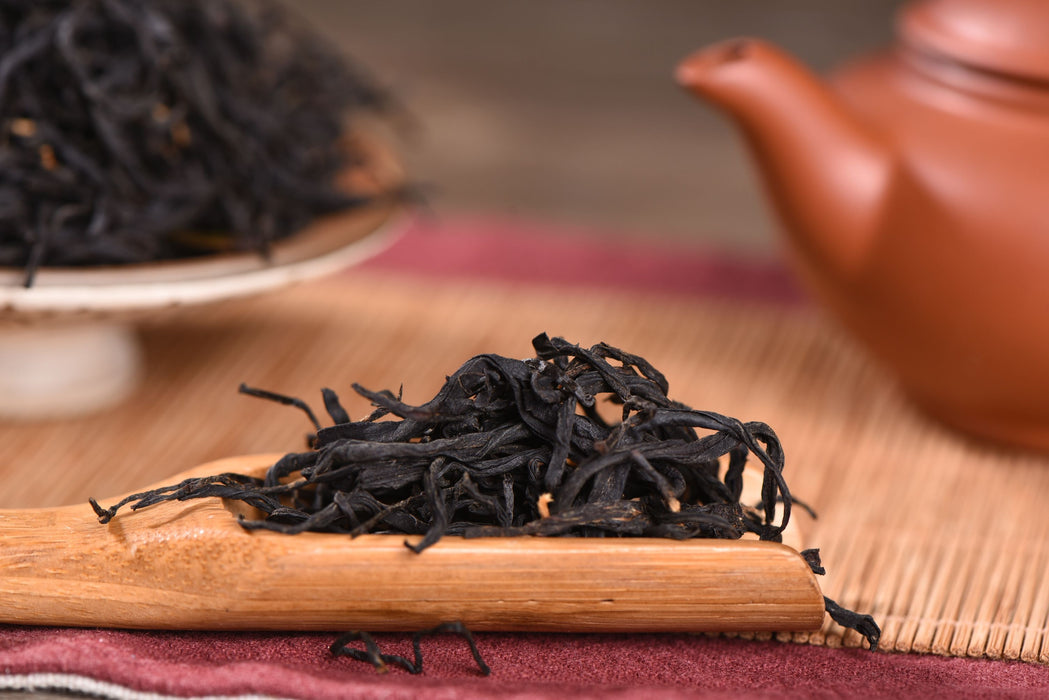
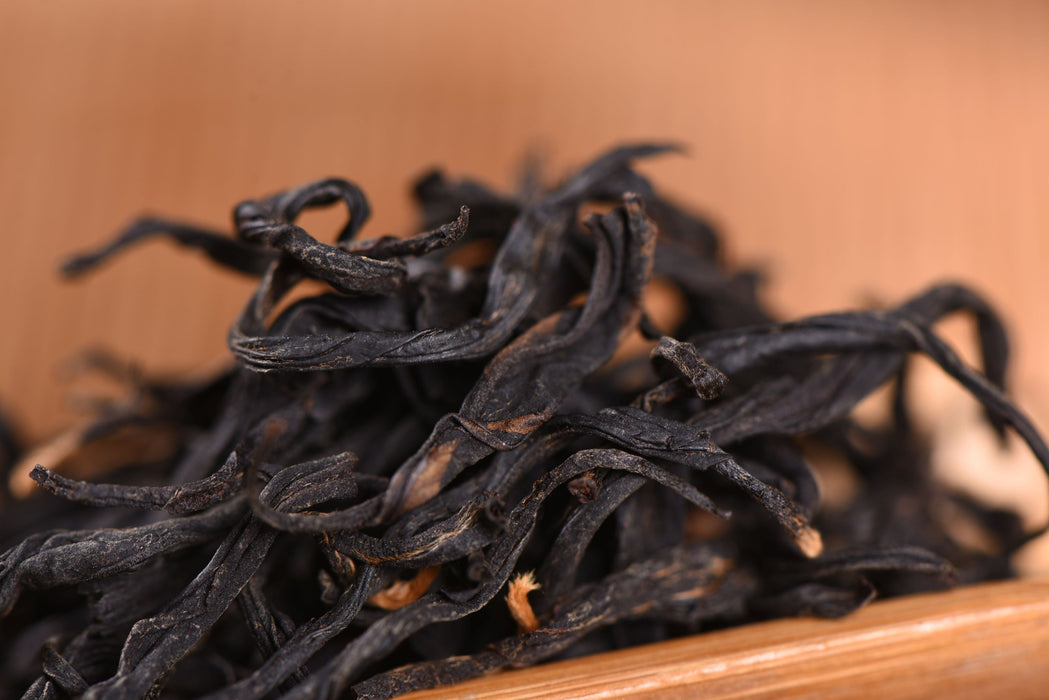
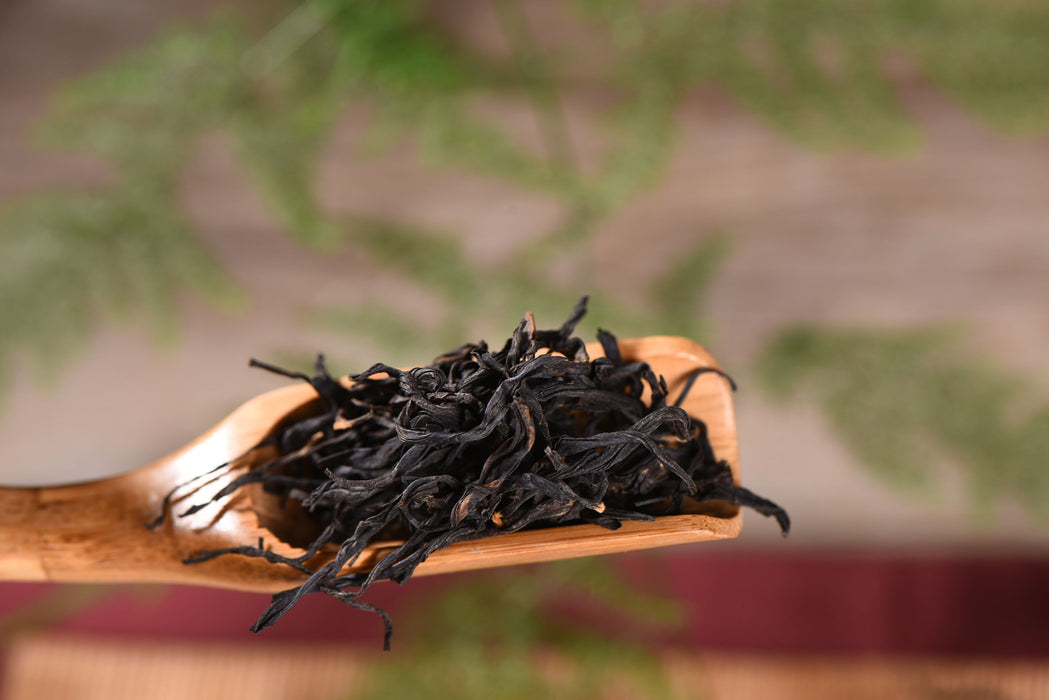
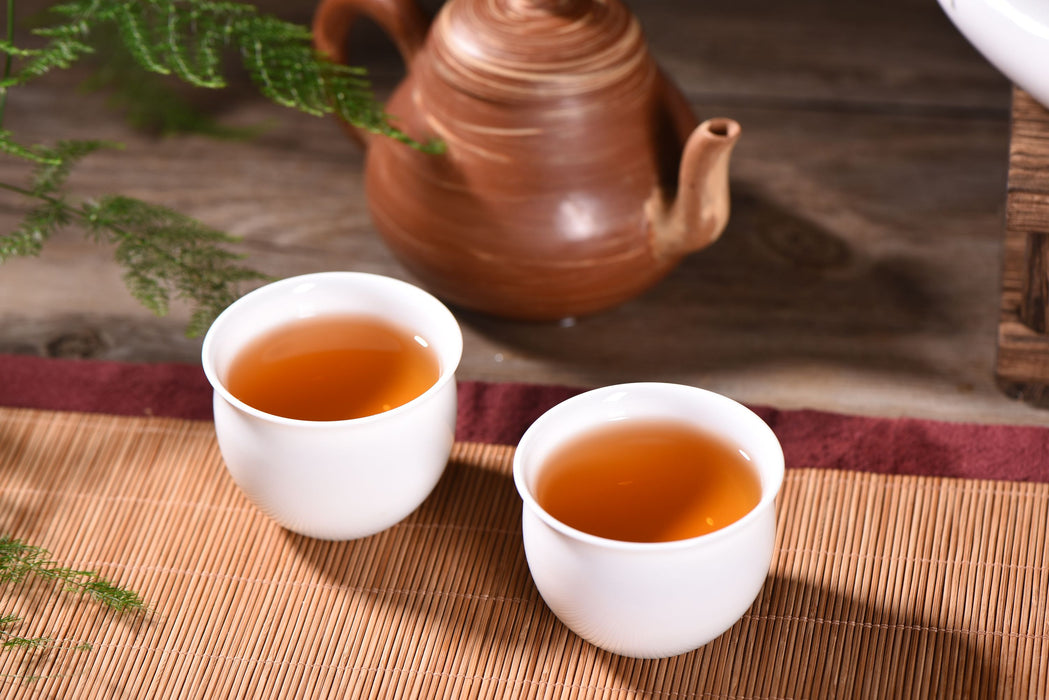
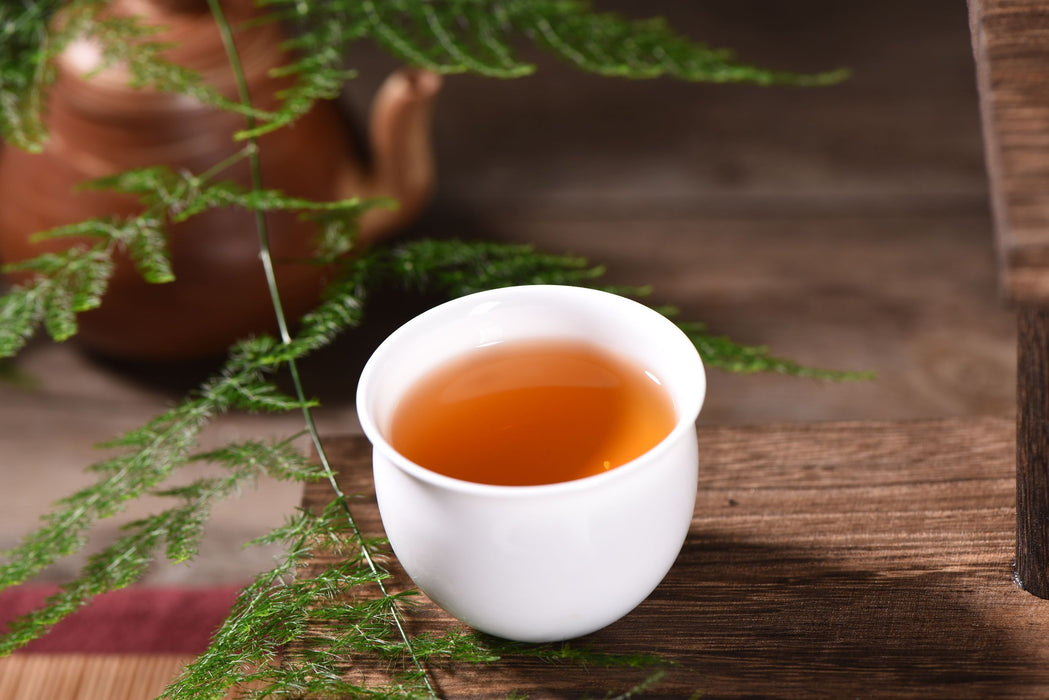
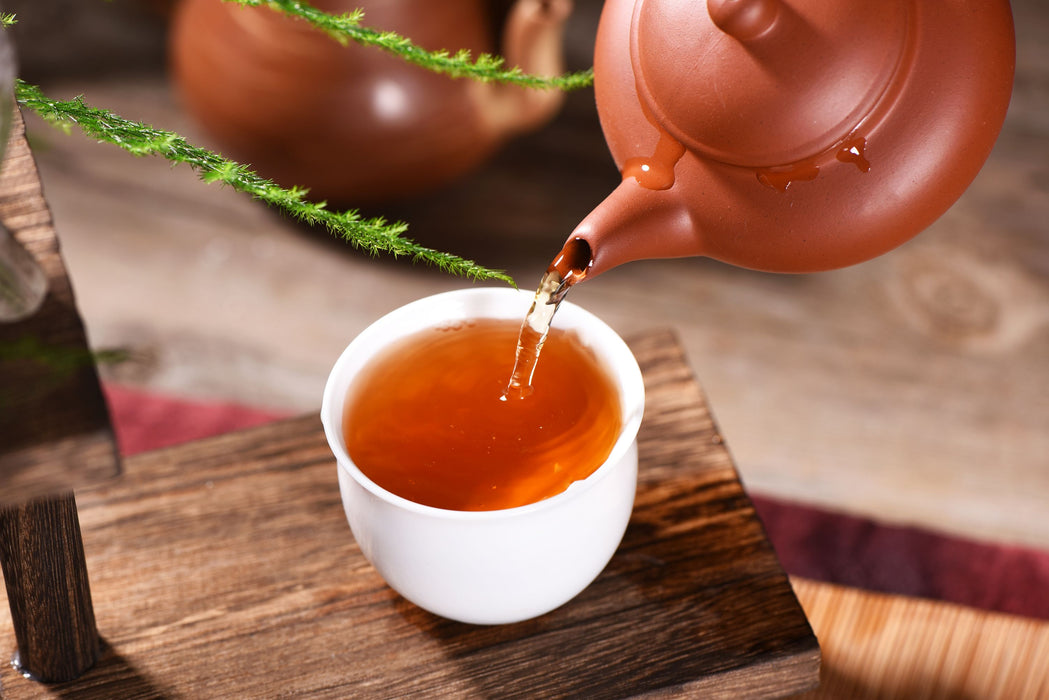
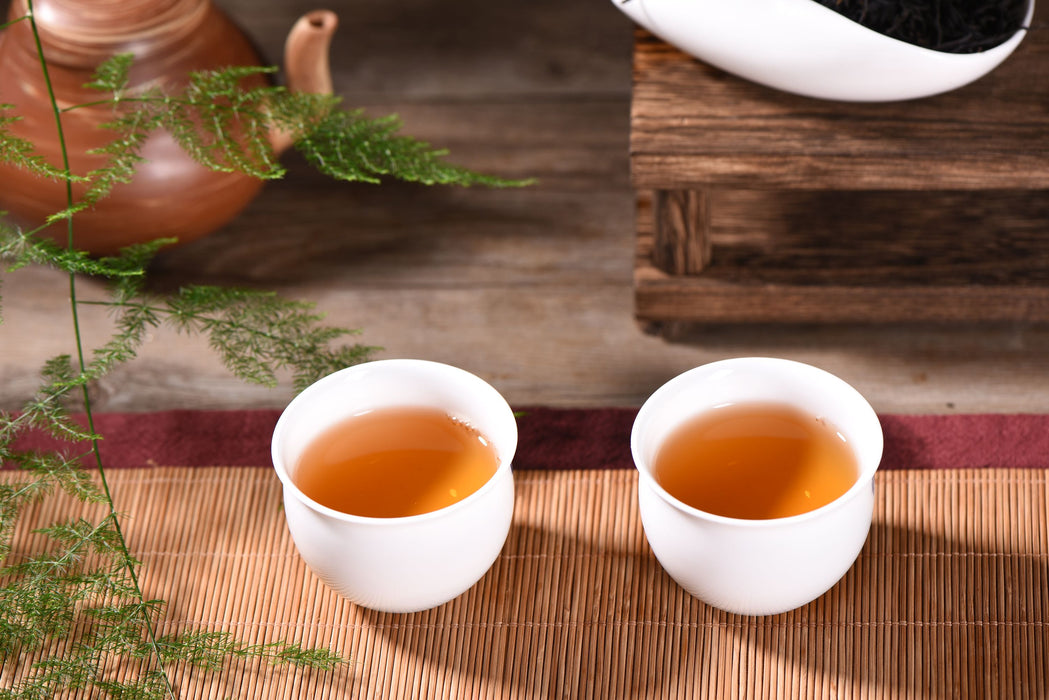
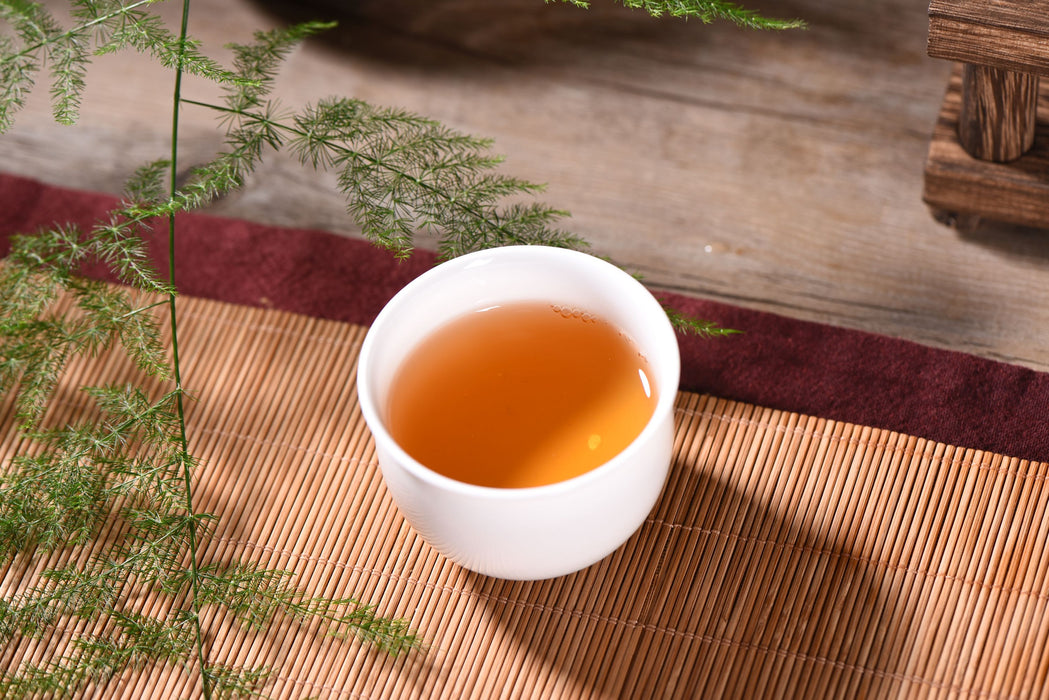
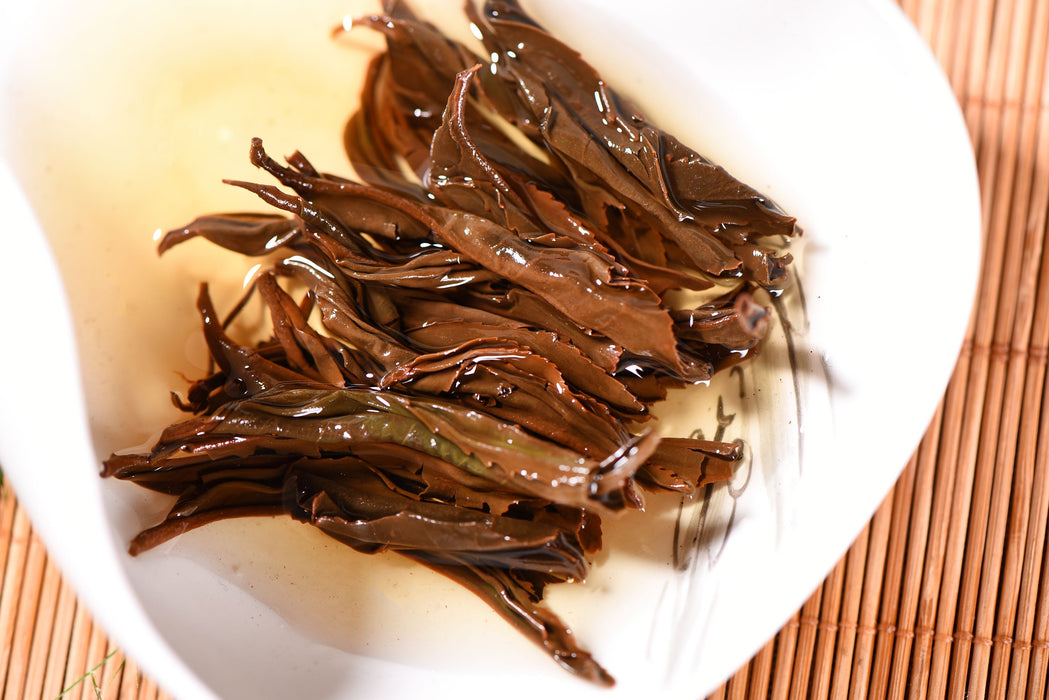
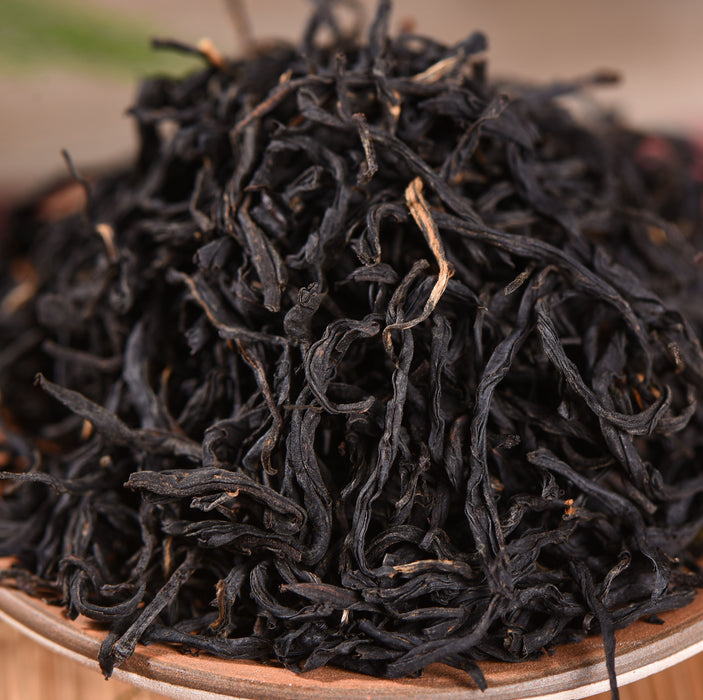
An expertly fermented black tea made from the famous "Purple Beauty" Zi Juan 紫娟 varietal. Subtle appearance with an expansive taste! Hints of flowers and nectar combined with a deep orange red tea soup makes this tea a very unique experience. It's sweet and full of vanilla and honey notes, along with a mineral taste much like a Wu Yi Rock Oolong.
Please note that this tea may contain a small percentage of unoxidized or lightly oxidized leaves which will be more blue in color.
We also offer a "Purple Beauty" Green Tea here!
Comparing Purple Bud and Purple Beauty
The main difference between Purple Bud and Purple Beauty tea lies in the fact that Purple Bud tea is natural but has undergone genetic mutation due to climate and seasonal changes. Purple Beauty, on the other hand, is the result of human cultivation.
The tea community first began to notice the Purple Bud variant at Wuyi Shan. Purple Bud has long been known as a scattered deviation that grows extensively among different kinds of tea plants. It is most common in summer tea. High anthocyanin content provides its purple color. It also results in a bitter flavor, which has given the purple buds a reputation as unsuitable for tea.
However, in the late 70's and early 80's Wuyi Stone Tea (Yan Cha) producers discovered that Stone Tea variants could be cultivated and tamed, resulting in a fine tea variety with high yield and stress resistance. This also reduced much of the tea's bitterness. Consequently, the Fujian Tea Research Society produced a new asexual tea variety through natural hybridization of Da Hong Pao tea: Purple Bud Stone Tea. In technical terms, it is a medium leaf, late budding, shrub tea variety. It features dark yellow-green tender tips, purple buds, purplish-red leaf bases, short space between sections, little fuzz, soft leaves, and dense bud tips. In addition, it grows with high yield, and high stress resistance. Spring buds occur in mid to late March and one-bud-three-leaf growth occurs in mid to late April. The quality of this tea is excellent when processed as an Oolong. This variety represents a successful example of utilizing and improving on precious existing tea tree resources and is suitable for widespread cultivation in Oolong tea growing areas.
Building on this breeding experience with Oolong teas, research was begun into the cultivation of variants of Yunnan large-leaf teas. In 1985, technical staff from the Yunnan Tea Research Institute discovered a tea tree with purple buds, leaves, and stalk among the institutes' plantation of over 600,000 trees. They processed its fresh leaves to produce a dark green roasted tea. The dried tea had a purple color and maintained this color in its brewed tea liquor. It also possessed a pure fragrance and a strong, intense flavor. Because of the tea's purple buds, leaves, and stems and the fact that it maintained this purple color after processing, they named the tea "Purple Beauty." Through research and further cultivation, this variant has given rise to current Purple Beauty tea trees.
Purple Beauty tea trees are considered a small arbor/shrub, big leaf, medium bud variety. The tea trees have a half-open appearance with high branches and moderate branch density. Leaves grow with an upward slant.
Spring buds occur in late February and full one-bud-three-leaf growth occurs between late March and early April. Bud growth is strong with moderate density. The buds are a purple color and are relatively plump, fuzzy, and tender.
This tea is well-suited to planting in large-leaf tea growing areas due to its high capacity for cuttage reproduction and resistance to cold, drought, and disease. It can be grown in the same manner as other Yunnan large-leaf teas. Tea tree production volume is moderate. Purple Beauty has an elevated aroma, smooth and light mouth feel (kou gan), but with a noticeable bitterness. Numerous plantations began cuttage cultivation of Purple Beauty trees.
Traditional Purple Bud refers to a bud deviation in large-leaf arbor trees due to seasonal and growing conditions. Only a few trees in a tea forest produce purple buds, and even ancient trees produce limited purple buds. Purple Beauty, on the other hand, is a cuttage plantation tree grown with high yield and tight planting. Tea variants are preselected with light and temperature added to encourage trees throughout the plantation to develop a purple color from the buds to the leaves and stalks. Traditional Purple Bud leaf blades are thick and dark green. The prominent veins in the leaves are similar to those of wild tea. Traditional purple bud arbor tea brews a golden-yellow tea liquor with a heavy mouth feel and full flavor, while purple beauty has thin tea liquor, brownish-green color, and is relatively bitter. The two share high levels of anthocyanin. The roasted tea is somewhat bitter and astringent, and the brewed liquor is a brownish green or indigo blue color, the sun-dried version shares some character with Pu-erh and has balanced astringency / bitter character. Sun-dried Purple beauty is suitable for compression and aging as well!
Harvest in Jingmai area, Lancang county of Simao (Yunnan Province)
April Picking and processing
Varietal: Zi Juan 紫娟
Elevation: 1450-1500 meters