Crisp sweetness
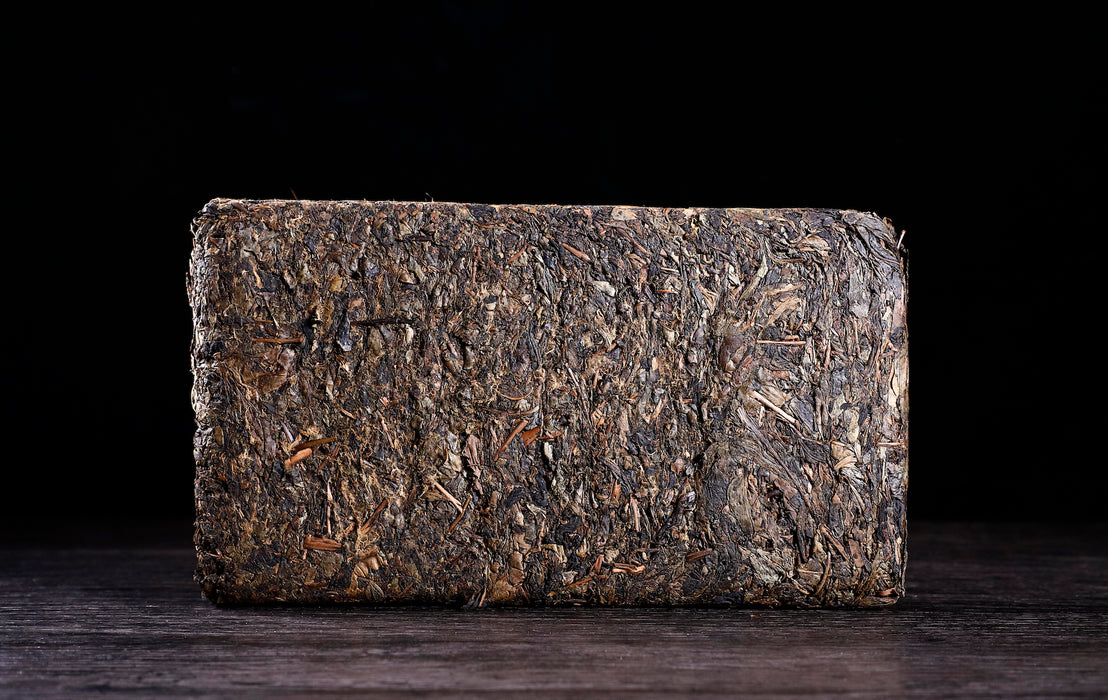
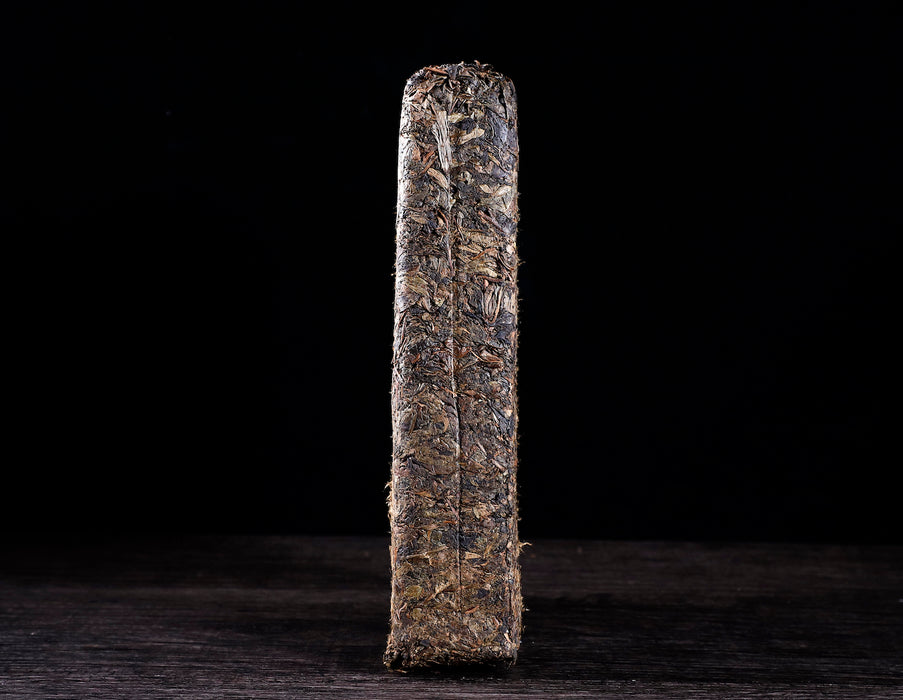
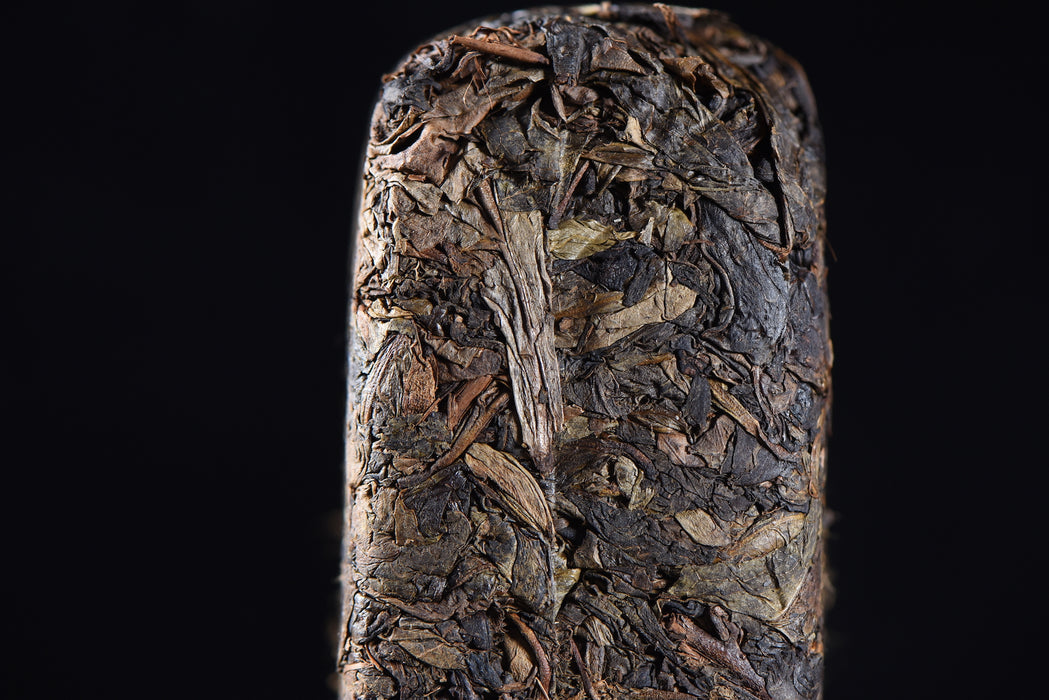
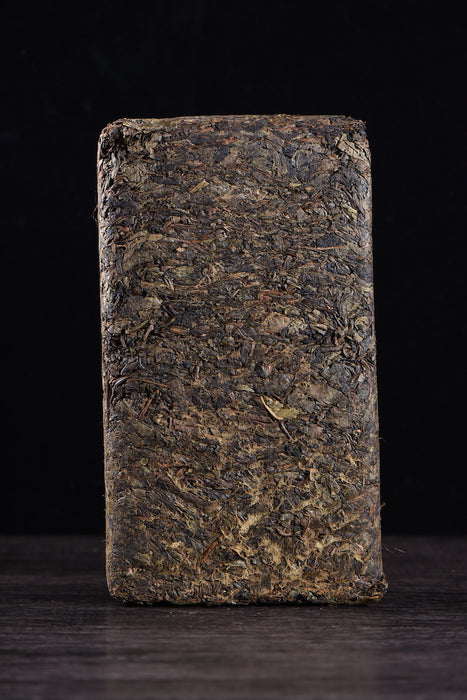
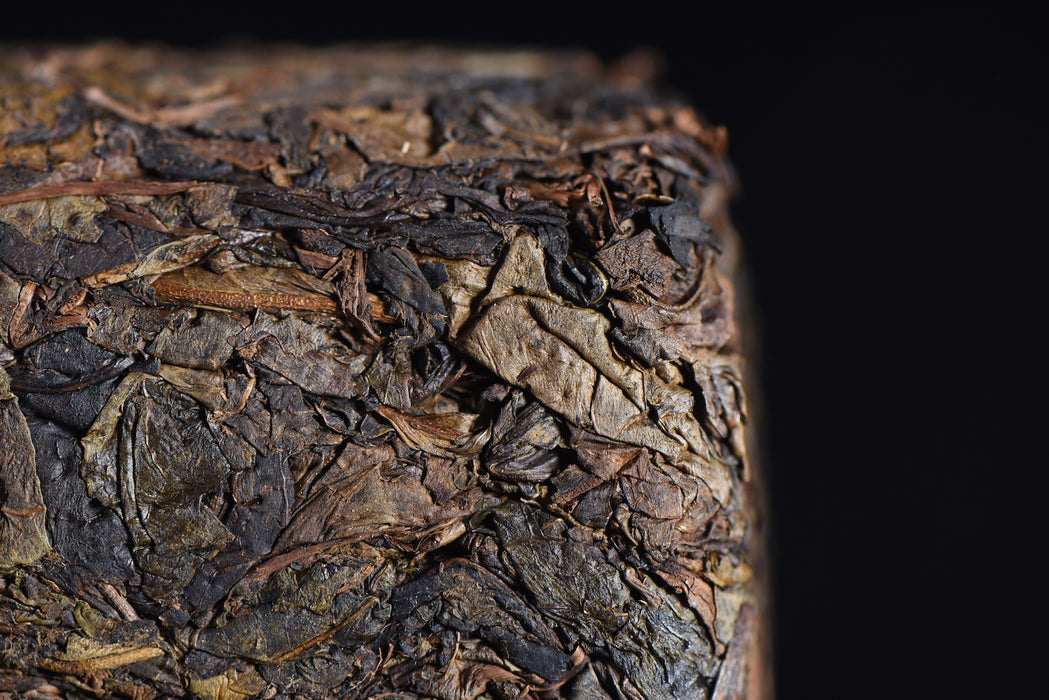
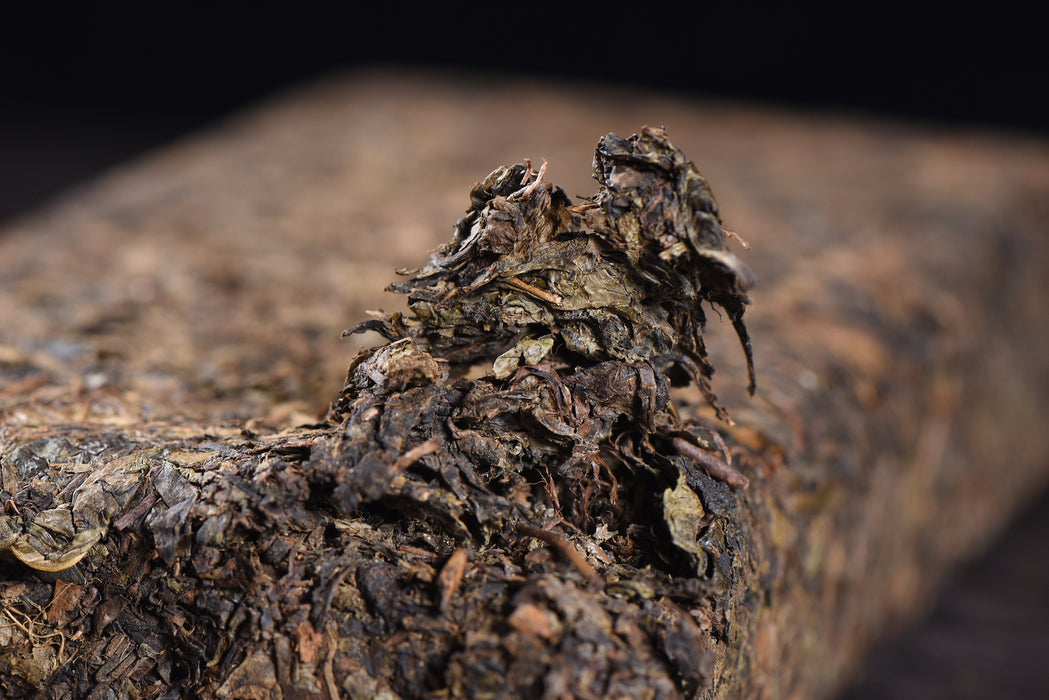
"The quality of raw material is apparent here, the compression style is not as traditional, there is a hand-made feeling to the brick. The golden flowers provide a thick, lubricating and crispy sweet aftertone to the Wulong profile. This is good fu-cha for this price, I only wished for a slightly bitter finish in the palate, but this wulong has a mellow and expansive taste, not astringent or bitter. Easy to experiment in exposure times."
— Daniel (5/5)
An Exceptional Fu
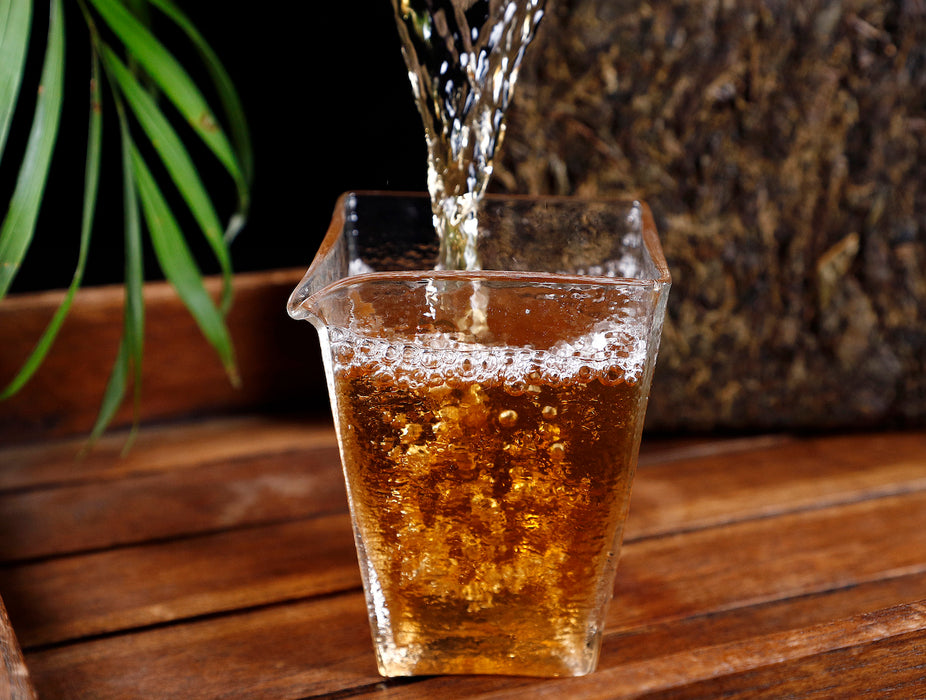
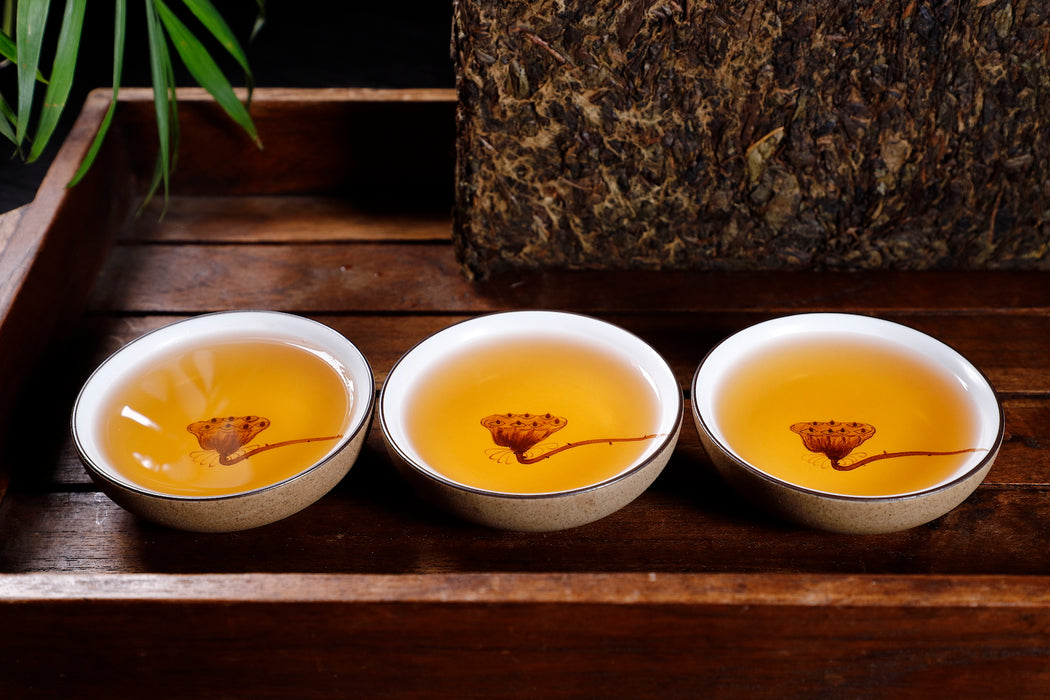
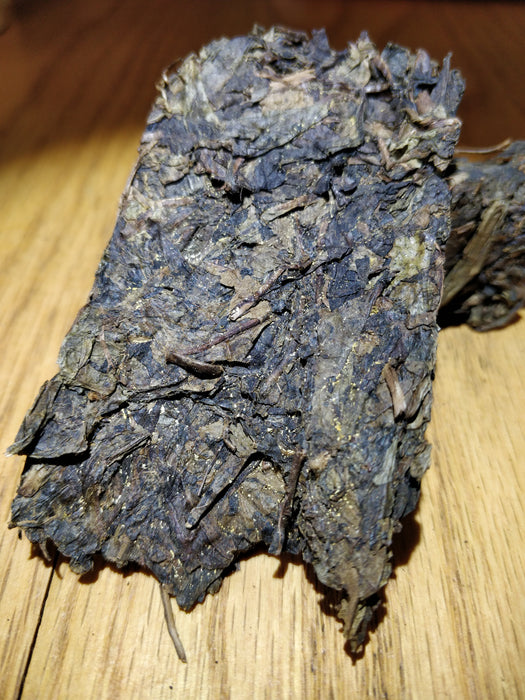
"I normally hesitate to purchase samples, but with these fu bricks it's almost unavoidable. I received a 50g sample which was composed of well separated sheets of leaf, with a few large (10g or so) pieces and several smaller pieces. The sample was well composed, and it's not full of loose, broken pieces (which is the reason I normally avoid samples; though to be fair, I have never received a sample like that from YS). This tea was brewed with boiling water in a 180ml De Hua porcelain tea pot (which I thought would be translucent like the cups and cha hai, but it's still my favourite pot regardless). There are virtually no sticks, or even many twigs in this brick. It does not appear to be a graded tea, with both large and small leaves present in the mix. Golden flowers are present on every piece in the sample, but it is hardly a mold bomb (I like mold bombs, but I'm weird). For those interested in fu cha but are a bit squeamish about the fungus, this might be a good first choice. As they sit in my warmed up tea pot, the dry leaf smells of softly fragrant old wood. Steep 1 - Washed for 15 seconds, resulting in a very clear straw yellow infusion. It was not particularly flavourful, as would be expected, but I did not wish to waste the precious mold. The pieces came apart quickly, and the wet leaves had a smell reminiscent of damp wood and palm sugar, though the wash itself did not smell like much of anything. Importantly, it did not taste dirty, moldy, dank, or any of the other adjectives commonly used to describe tea most would be reticent to drink. This is not a green fu cha; the leaves are about as oxidized as a medium roasted Wuyi oolong. Steep 2- Since the tea opened quickly, I brewed the second round for 10 seconds. The resulting color is approaching the typical orange gold usually seen with fu cha. It's still quite mild tasting, and the next steep will be longer. Do not be afraid to push this tea, fu cha does not over brew easily. Even in the early infusions, it is clear that this is a less bready and yeasty tasting tea than a still pleasant Bai Sha Xi sample I drank a few days ago (the one with the neat little Mao token). The flavour in the second steep is still very clean, and I do not get any sort of funky composted taste from this what so ever. Even though this steep remained mild, there is an very pleasant aftertaste which hung around for at least 10 minutes. This is a fu cha which still has some astringency to it, which to my palate is essential. In the second steep, this was primarily apparent in the aftertaste, but is present in all remaining infusions Steep 3 - The third infusion of around 15 seconds resulted in coppery red tea like a middle aged, humid stored sheng puer. The scent of both the leaves and the tea has come together; the scent is remarkably similar, though the former is far more intense than the latter. In my somewhat limited experience, fu cha is rarely an aromatic tea, and this is no exception. A mild, pleasant astringency is present in the tea itself, resulting in a significantly more interesting steep. If you prefer to cut straight to the good stuff, this tea can be rinsed twice, as the 3rd steep is where it starts getting really good. The flavour is still subtle (do not mistake this for weak), but it's not earthy. It reminds me of a very lightly roasted barley tea, or roasted kukicha. The viscosity and lubricating quality of this tea is delightful. Steep 4 - The tea is infusing very well, so I go with 20 seconds for the 4th infusion, which ends up few shades darker than the last. At this point, I could not easily distinguish the colour from that of an aged sheng tea. The flavour and viscosity are similar to the third steep, except stronger. A warm, relaxed feeling is radiating through my chest. I don't experience any sort of "tea drunk" feeling as a general rule, but fu cha definitely has some sort of calming effect, and I would love to know the neurochemistry underlying this quality (if there's research, it wasn't available in my library archive). I'm really enjoying this tea. Steep 5 - 30 seconds this time, and the trend from the 4th steeping continues. The aftertaste between infusions is extremely pleasant, but not overwhelming; it's slightly dry yet sweet, similar to a mild Wuyi oolong. Steep 6 - Steeped for somewhere around 60 seconds. The flavour is starting to fade, as is the viscosity. Otherwise, there is little change from previous infusions. This tea reveals itself early, and seems to stay consistent throughout. I will brew a couple more steeps with significantly longer infusions to coax out whatever this tea has left to give, but I think this is sufficient to give you an idea of what to expect. Wrap up - This is a great fu brick with a flavour profile that tends towards woody/vegetal rather than yeasty/bready or funky/mushroomy. Fu cha is not a flavour powerhouse, do not go in expecting that. If I were to describe this tea in comparison to puer, it is like a 15-20 year old humid stored sheng cake from which any remnant of storage funk has aired out. The unique character of the original material has faded, but what remains is rich, smooth, and extremely satisfying. This is clearly a premium production as it is one of the few bricks I've seen which isn't at least 30% sticks by volume. It would likely be an excellent first fu cha. There are many cheaper fu bricks available (CNNP makes some that sell for $15-30 even from western vendors), but they are inferior in every way to this and other more expensive fu cha I have tasted; do not waste your money on them; they'll either end up wasting your storage space or becoming overpriced compost fodder. I've got a full Gao Jia Shan brick on the way (which I chose over this one as Scott has said they are his favourite producer), but this is going on my wishlist. Throw a sample in with your next order, then pray fu cha never becomes widely popular as right now, it is an excellent value for the money. Thanks to Scott, Xiao Yao, and everyone else involved in making this sort of tea available in the West. On the off chance that you take sourcing suggestions, there is a fu brick which was getting some buzz in the tea nerd community a few years back, but it was not, and still is not available from any western facing vendors. Let me know if you're interested, and I can pass along the information I've been able to find."
— Nathan (5/5)